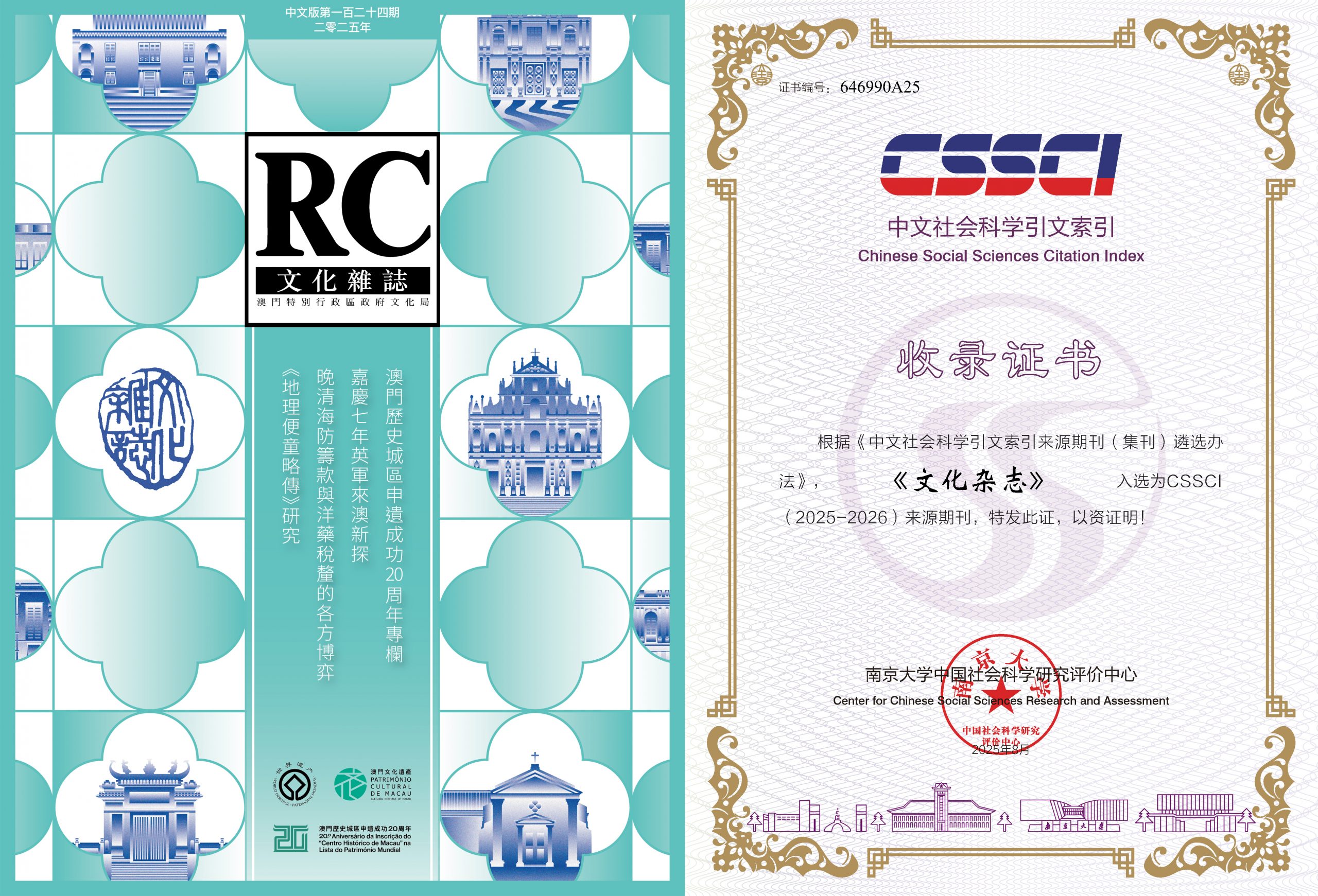
Review of Culture (Chinese Edition), published by the Cultural Affairs Bureau and edited by the Centre for Macau Studies (CMS) at the University of Macau (UM), has been selected as a source journal for the Chinese Social Sciences Citation Index (CSSCI) for the 2025–2026 period. The journal was previously listed for 2023– 2024, and its continued inclusion reflects recognition of its editorial standards and academic quality .
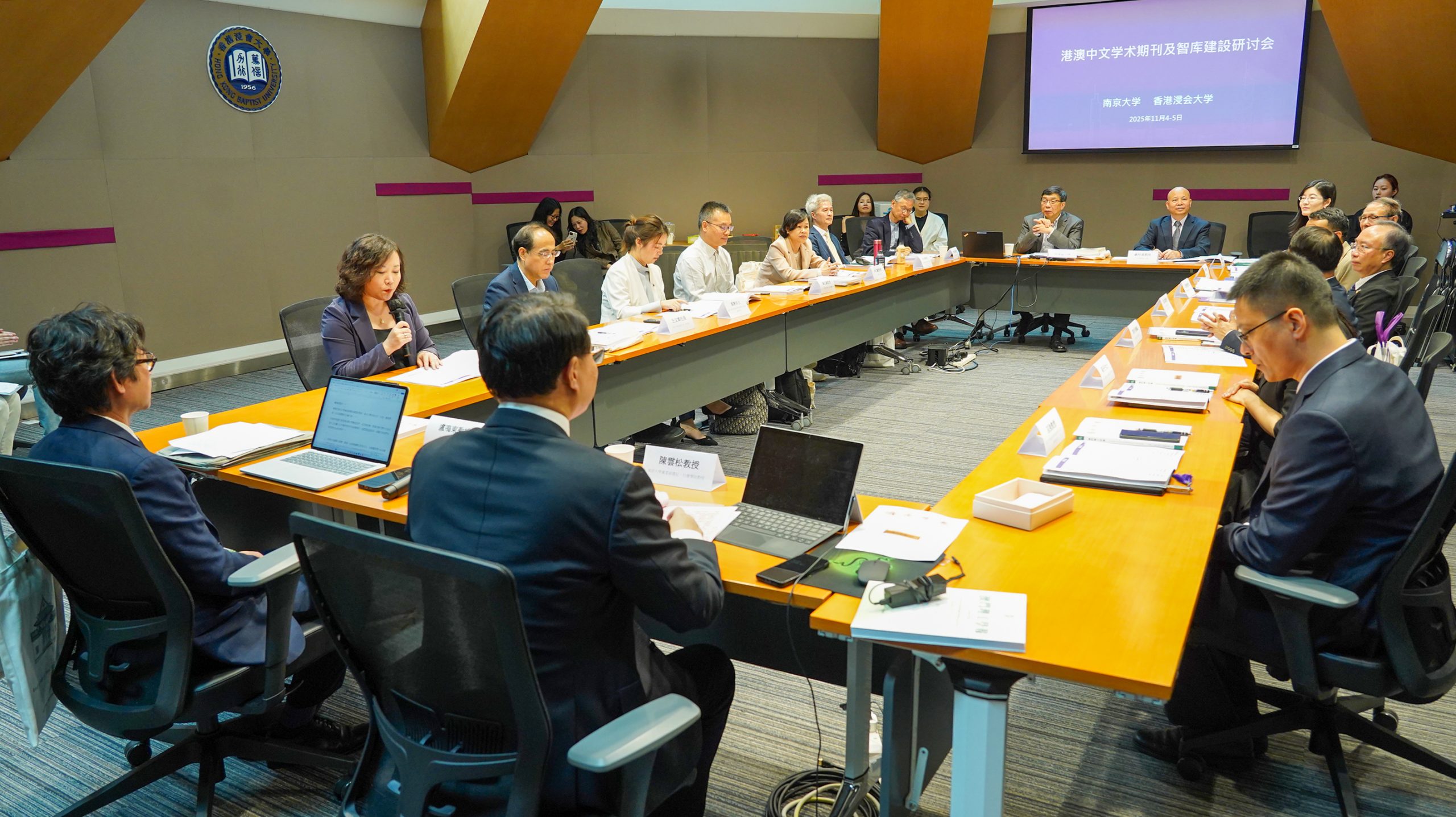
On 4 November, Agnes Lam Iok Fong, Director of CMS and Editor-in-Chief of Review of Culture (Chinese Edition), led the editorial team to Hong Kong to attend the “Seminar on the Development of Chinese Academic Journals and Think Tanks in Hong Kong and Macao”, jointly organized by Nanjing University and Hong Kong Baptist University. During the event, the journal received the certificate for its inclusion in the CSSCI (Chinese Social Sciences Citation Index) source journals list for 2025–2026.
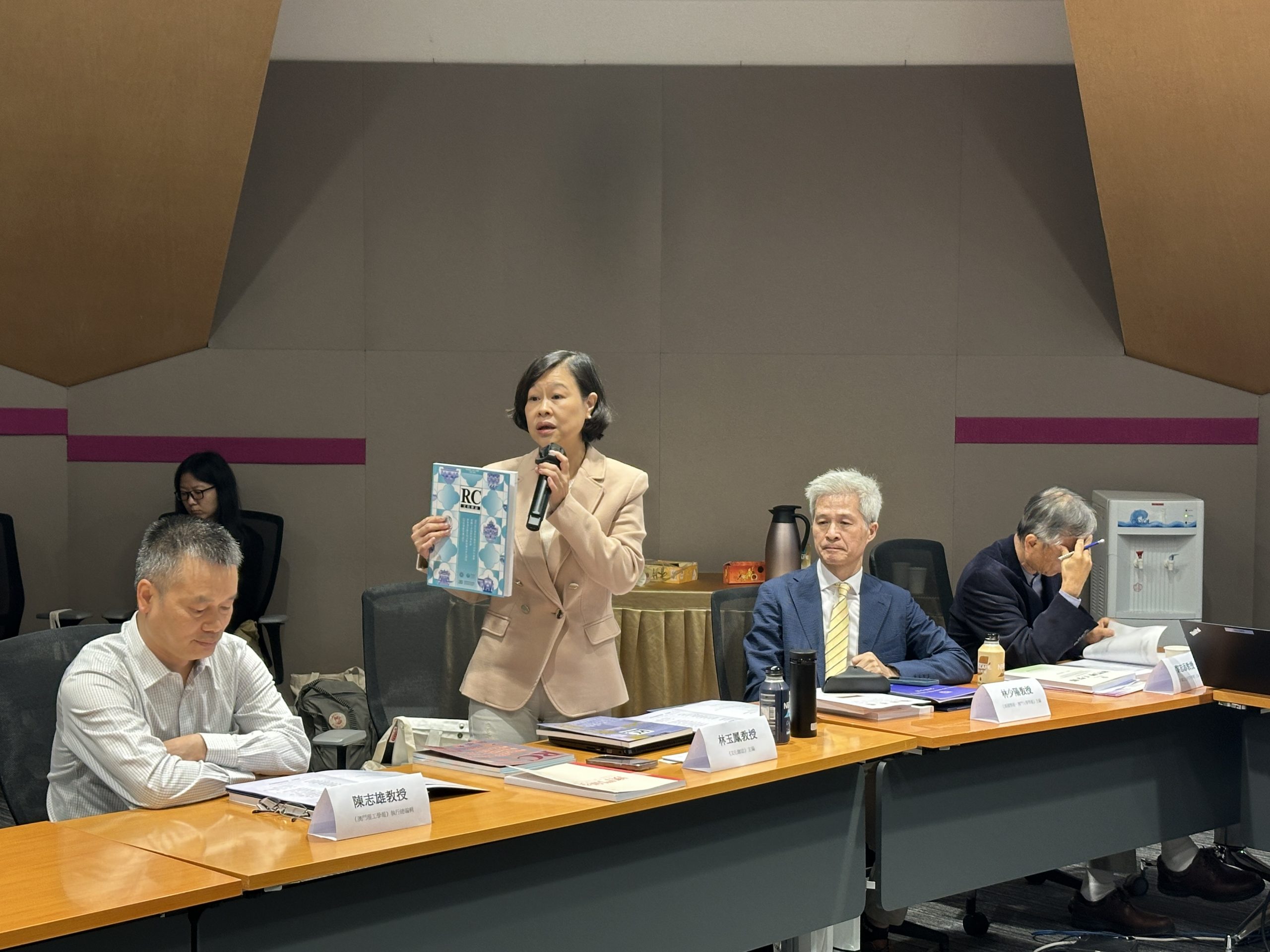
The symposium was held at Hong Kong Baptist University, gathering chief editors and senior representatives from 11 CSSCI-listed journals in Hong Kong and Macao to exchange views on journal development, evaluation approaches, and future directions. Agnes Lam Iok Fong, Director of CMS presented the development of Review of Culture , noting that since 2018 the journal has been edited by the CMS and adopted a full peer-review system in 2023. The journal aims to serve as a high-quality academic platform rooted in Macao and open to the world. Its foreign-language edition accepts submissions in Portuguese, making it one of the few journals in Asia to do so, highlighting Macao’s unique role in Sino-Portuguese cultural exchange.
During the symposium, the China Social Sciences Research Evaluation Center at Nanjing University presented certificates to CSSCI-listed journals for 2025–2026. Review of Culture (Chinese Edition) was once again included in the list, reaffirming its academic quality and standing within the humanities and social sciences.
The event also provided an opportunity for CMS to exchange ideas with editorial teams from Hong Kong, Macao, and mainland China, share experiences, and explore potential collaborations, offering valuable insights for the journal’s future development.